How to Get a Remote Job with No Experience in 2025
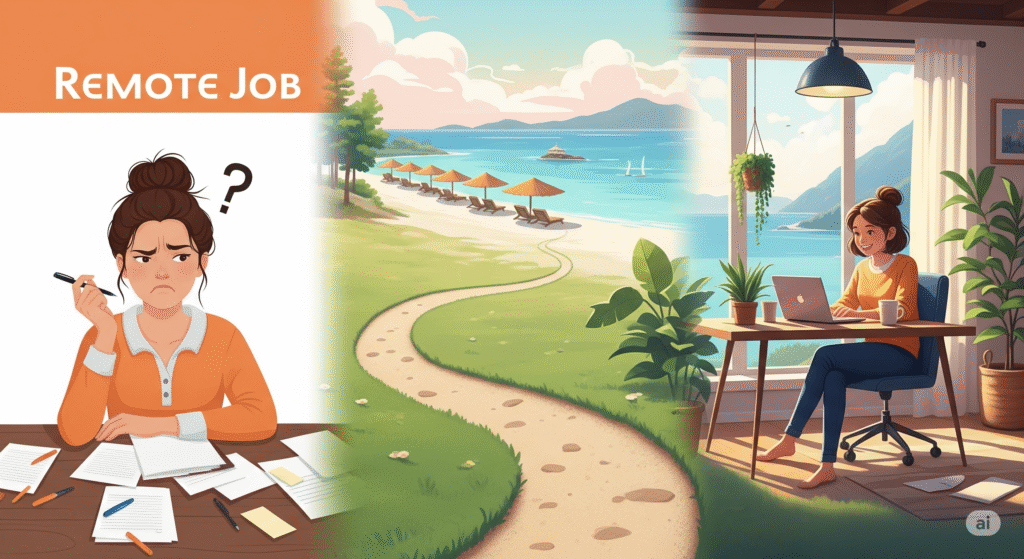
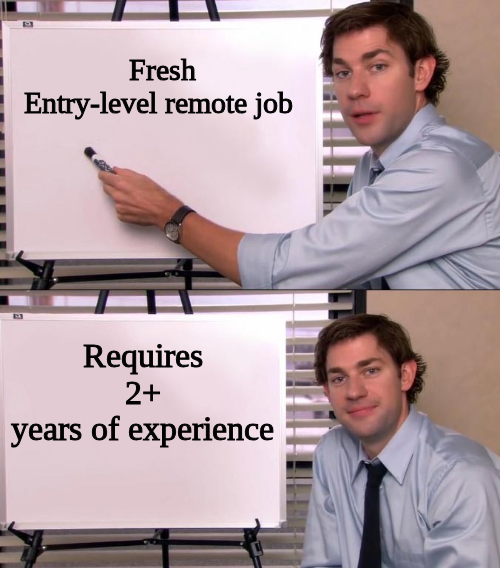
I remember staring at my screen , with a blank resume. I had a fresh college degree and a ton of student dept. Every “entry-level” remote job I saw seemed to want 2 years of experience. How was I supposed to get experience if no one would give me a chance? I felt stuck.
If you are in the same situation, I want you to take a deep breath. I’m writing this from my own home office, a cup of coffee by my side, working a remote job I love. And I got here without any “formal” experience on my resume. The secret wasn’t finding some magic job board; it was completely changing how I thought about the word “experience.” This is the story of how I did it.
The “Aha!” Moment: You Have More Experience Than You Think
My first breakthrough came when I stopped worrying about work experience and started focusing on life experience. Remote job managers aren’t just looking for people who’ve worked online before. They can easily teach you tools like Slack or Asana. What they really want is someone reliable and ready to learn.
Everyday Skills Are Real Experience
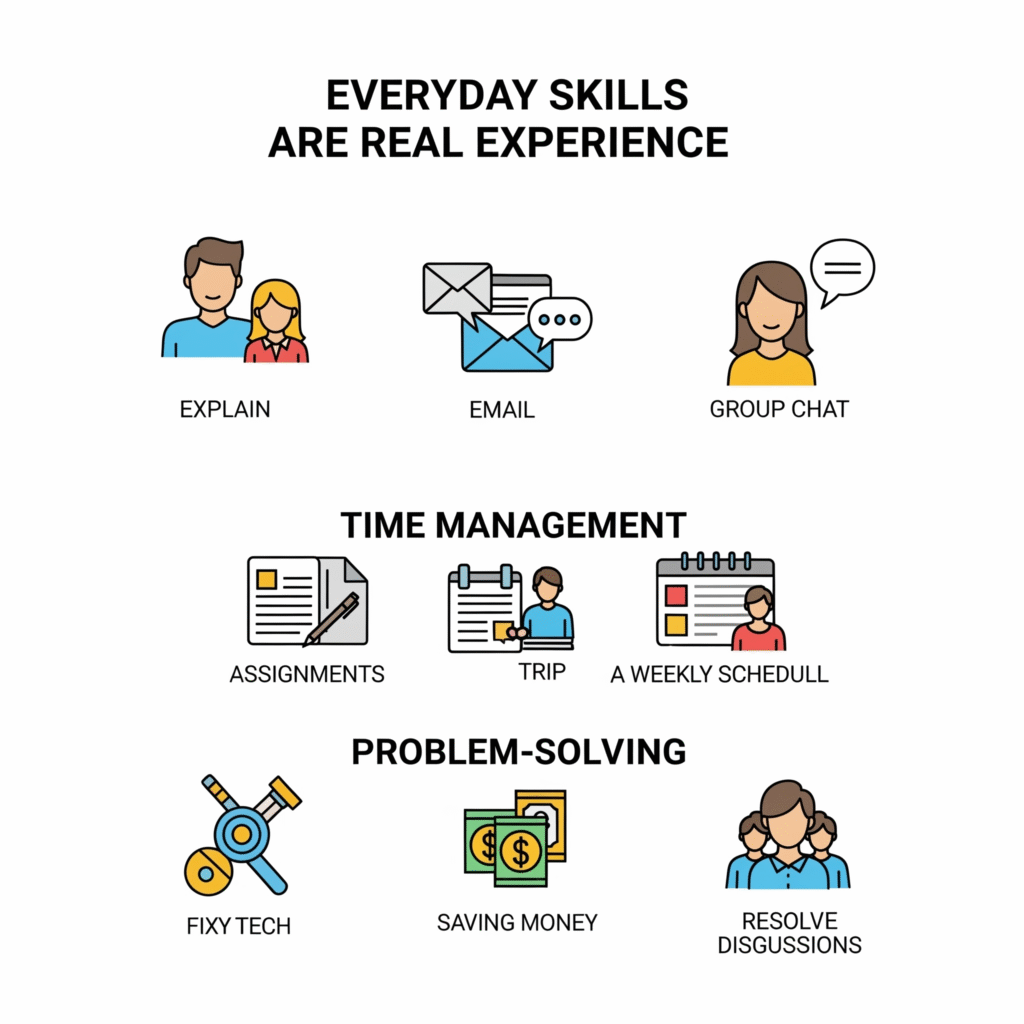
I realized I had been using these skills for years without even knowing it. That crazy group project in my last semester? That was project management, working with others online, and meeting deadlines. Running my small hobby blog? That was content creation and simple SEO.
You have these skills too. The first step is to take a look at your own life. Think about:
Communication: Have you ever explained something hard to a friend, written a long email to a teacher, or worked with others in a group chat? That’s the kind of communication remote jobs need.
Time Management: Have you ever handled lots of school assignments at once, planned a trip, or just made a weekly schedule to stay on track? That’s the kind of self-control employers look for.
Problem-Solving: Have you ever fixed a tech problem by yourself, found a smart way to save money, or dealt with a disagreement in a club? That shows initiative.
Experience Is Everywhere If You Know How to See It
Once you start looking, you’ll see “experience” all around you. The secret is learning how to talk about it the right way.
You don’t need to become a developer overnight. Some jobs are great ways to start working remotely because they use the same basic skills you already have. For example:
Virtual Assistant
You stay organized, manage calendars, reply to emails, and help plan travel.
Customer Service
You talk to people, solve problems, and keep them happy over chat, email, or phone.
Data Entry
You focus on small details, type quickly, and keep info neat and correct.
These jobs care less about your past and more about what you can do now.
What a Resume Says vs What a Portfolio Shows
A resume tells people what you can do, but a portfolio shows what you have potential to do. If you do not have a job history, then the portfolio becomes your strongest tool. The manager can see your skills before they speak with you.

What If You Have Nothing to Show?
You can ask, how do I make a portfolio when I have nothing to show? The answer for this is simple. You create your own projects.
Make Your Own Projects
You can make your own project. For example, you can redesign a local cafe website if it looks old. You can create content on social media, or write a blog post for a company you like.
Volunteer Work Also Counts
Another option is volunteer. You could offer to manage a social media for an animal shelter or help a group by writing their newsletter. Even if it is unpaid, it is still real work. It belongs to your portfolio.
Don’t Just Show Work, Explain It
Always explain your work clearly. Do not show the final result. Describe how you do this. Use a simple method called Problem, Action, Result.
How to Explain Your Work
First, explain the problem. For example, bookstore’s Instagram was messy and had no clear plan. Then describe your action like what you will do to solve this problem. And then share the result. Maybe your plan makes Instagram page reach more people.
What I Did Personally
This is exactly what I did. I made a small portfolio, just 3 practice projects, saved it in a Google Drive folder. It was not huge, but it made me more skilled and professional.
Why Your Resume and Cover Letter Matter
Your resume and cover letter are like a small ad about you. They help show who you are and why you are the right person for the job.
Instead of writing “Work Experience” on your resume, use something like “Projects and Experience.” This lets you include your portfolio projects even if you have never had a job. Write about them as if they were jobs. Use strong and clear words to explain what you did.
Tell Your Story in the Cover Letter
Your cover letter is your chance to tell your story. Don’t just repeat what is already on your resume. Write something real and personal.
Start With a Real Name
If possible, find the name of the person hiring. It sounds much better to say “Dear Sarah” than “To Whom It May Concern.” It shows you put in effort.
Show You Know the Company
Write about something you like about the company. Maybe it’s their mission, a product they made, or a project they did. This shows you care and you’re not sending the same letter to every job.
Share a Small Story From Your Work
Talk about one of your projects. Share what the problem was, what you did, and what result came from it. This helps the company see how you think and solve problems.
Explain Why You Want Remote Work
Say why you want to work from home, but make it helpful for them too. Don’t say “I hate commuting.” Instead, say something like “I do my best work in a quiet home space where I can focus and stay productive.” That shows remote work helps you give them better results.
The Hunt: Where to Look and How to Succeed
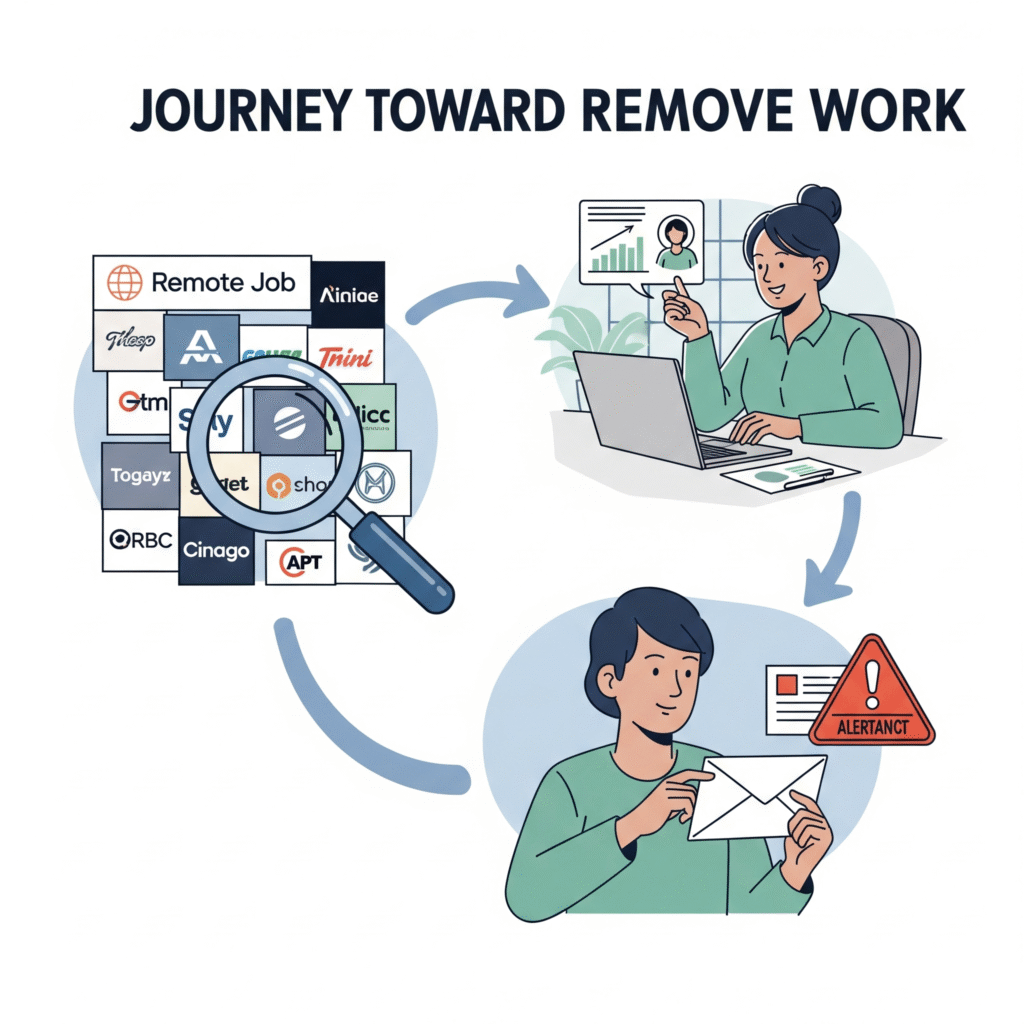
Don’t waste your time scrolling forever on giant job websites. Instead, focus on websites made just for remote jobs. They are safer and have better listings. Some of the best ones are Nexo translte, We Work Remotely, and Remotive.
How to Use LinkedIn the Smart Way
LinkedIn can also be very powerful if you use it the right way. Here’s how:
Go to the Jobs tab and type in what kind of job you want, like “customer service.” In the location box, type “Remote.” Then click on “All Filters” and choose “Entry-level” and “Associate” under the experience level. Finally, save your search. This way, you’ll get alerts and be among the first to apply.
The Final Audition: Nailing the Remote Interview
How to Get Ready for a Remote Interview
A remote interview is more than a normal interview. It also shows how well you can work from home. So you need to be ready in all the right ways.
Before the interview, check your camera, mic, and internet. If something doesn’t work, it may seem like you didn’t prepare.
Sit in a quiet and bright space with a clean background. A plain wall looks much better than a messy room.
Wear nice, professional clothes. Even if they only see your top half, it helps you feel more confident and serious.
When speaking, look at the camera. It might feel a little strange, but it feels like eye contact to the person you’re talking to.
What to Say if You’ve Never Worked Remotely
Be ready for questions about remote work. If they ask if you have worked from home before, be honest. But don’t stop there.
You can say something like, “I haven’t had a remote job yet, but I took online classes where I managed my own time, met deadlines, and worked with classmates using Zoom and Google Docs. That gave me strong practice in teamwork and communication.”
This shows that you already understand how to work online and stay organized, even if you haven’t done it in a job before.
Watch Out for Remote Job Scams
Remote jobs are great, but some fake ones are out there. People new to remote work are often targeted. So it’s important to know the warning signs.
If someone asks you to send money for training, tools, or background checks, it’s a scam. Real jobs will never ask for payment.
If a job sounds too good to be true, it probably is. For example, a data entry job offering huge pay with no experience is not real.
If you get emails from a Gmail account and they look unprofessional or have spelling mistakes, be careful. That’s often a scam sign.
If someone offers you the job quickly without any proper interview or video call, that’s another big warning. Real companies take their time.
Always check the company’s website. If the job isn’t posted there, it might not be real. When in doubt, do more research before saying yes.
Now It’s Your Turn
It took me a few months of focused effort, but I finally got my first remote job offer. I stopped waiting for someone to give me a chance and started creating one for myself. I looked at my own life experience in a new way.
I made a small portfolio with just a few projects. I practiced talking about my work. I learned how to tell my story clearly.
This helped me show employers that I could be trusted, even without a normal resume or job history.
Getting your first remote job isn’t about being lucky. It’s about planning smart, staying patient, and knowing how to show your skills in the right way. You already have the tools. Now it’s time to take the next step and prove it.